

It wasn’t that long ago I was struggling to catch my first fish. I went all over the internet and tried to find as much information as I could on just catching a fish. To make it easy for you I’ve put together this post to show you how to catch your first fish. I’m going to walk you through everything you’re going to need, from gear, bait, and some accessories that is going to make your experience a lot better and a lot easier for you when you do finally get out on the water.
What gear do I need to start fishing?
Fishing license
The first thing that you need before you even step out onto the water is going to be a fishing license. Go onto your state’s fish and wildlife website and you’ll see where you can buy a fishing license if you want to buy it in person. You’ll see rules and regulations and creel limits. Some states have applications that help you find bodies of water to fish, maps, and what type of fish are in those bodies of water. Just make sure you know the regulations before you go so that you don’t get yourself in trouble, You don’t get anybody else in trouble, and you just have a good time out on the water.
Setting up your rod & reel
Now the next thing you’re going to need is a rod and reel. You can go to anywhere where they sell fishing tackle, and you’re going to find some combos that have the rod and reel already.
What I recommend if this is your first time going fishing is to get a medium powered spinning combo. That gives you the versatility of being able to fish for smaller panfish, and also for bass and larger fish. Sometimes you can find some that have line already on the reel. Those are pretty easy to set up. You just unwrapped the line and run it through the guides.

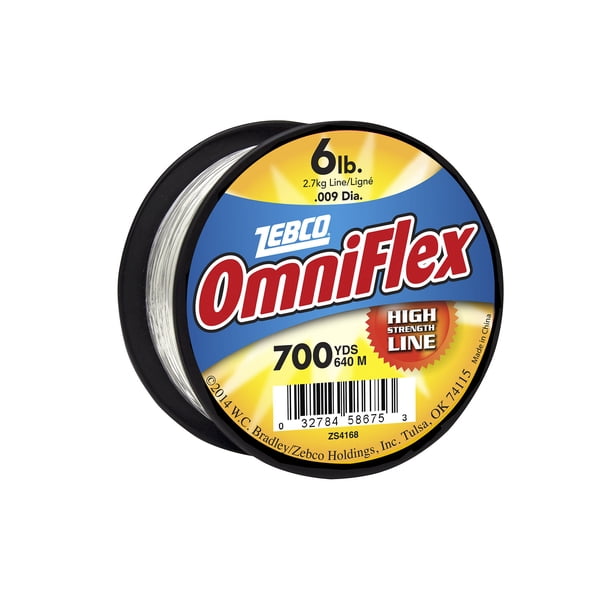
If you happen to buy one without line on it, then your next purchase is going to be some line. I recommend something you can fish different lures on. 6 lbs test mono is a great middle ground. Versatile enough to catch small fish and throw light lures, strong enough to handle a bigger bite. You’re also going to want to learn how to put line on your spinning reel, so go check that blog post where I walk you through the whole process.
Terminal Tackle
Terminal tackle is a term for things like, weights, hooks, bobbers and floats. You’re going to want to pick some of this up too.
Hooks
I recommend starting with some size 4 Aberdeen hooks. It’s a good size bait holder hook and you’re going to be able to catch a variety of fish. You can use these hooks on several kinds of live bait like night crawlers, minnows, and even use them on soft plastics took. All you need to do to tie on a hook is to tie a Palomar knot. You can learn that one and other easy fishing knots for beginners on my blog post.

Weights & Sinkers
Weights and sinkers help you cast your bait out farther because it’s helping pull line off your reel. It also helps keep your lure down in the water and in the strike zone of feeding fish. If you’re using an Aberdeen hook with some worms you’re going to need some help casting.

I recommend using a variety pack of split-shot sinkers or pinch on sinkers. These are super easy to use weights. They come in various sizes to help you adjust your weight as you need to depending on the depth of your water, wind conditions, target fish species, or lure that you are using.
Now for the sinker, you’re going to want to pinch this anywhere between a foot to two feet above your hook. But my rule of thumb is to put it between my hook and my float.
Floats & Bobbers
Floats or bobbers are a must if you’re just starting out. They help keep your bait off the bottom and present your lure vertically from the bank. But more importantly they are strike indicators. Basically what that means is if a fish is even pecking at your bait, you’re going to be able to see it because the float you are using is going to move. If a fish takes your bait, the bobber will sink down and that lets you know it’s time to set the hook.
I have a few different bobbers I like to use. The classic white and red ones are always readily available and those are fine. I prefer the assorted size pack in case I need to size up or size down my bobber size. I also like to use trout magnet floats. They are tiny, highly visible and are easy to see even at the furthest distances. My current favorite are the Mule Peg Floats. They are highly visible and come in two different sizes. These are my go-to right now.

To set up your float you’ll either clip it on to your line, run it through your line, or peg it to your line. Pretty easy and you’ll know which method you will use based on the float you buy. You’re going to want to set up your float so that your lure drops to your preferred depth. If you’re sighing in 8 ft of water, you’re going to set your bobber up so that you have less than 8 ft of line underneath it. I normally start as shallow and then raise my float as I need to so that I can find the fish.
Live Bait

I usually go with night crawlers or some mealworms. Basically take a look around, see what they’re biting. You can get minnows, you can get other things. If you’re going saltwater, you can do shrimp, things like that, but just some kind of live bait is going to be your best bet to getting on a fish. I also recommend using bread. If you’re at a body of water where you see people feeding fish with bread, use bread. They will bite your hook and you’ll have some fun.
Signup for my monthly newsletter to get content and gear recommendations every month. I'll send you stuff I like, I will never spam you.
If you’re using night crawlers I would thread a little piece on, enough so that a little bit is hanging below the hook. If you’re using mealworms, just load it up as best you can with a couple. Minnows you can nose hook those. There are several ways to rig live bait.
Fishing Accessories
Fishing accessories are not a requirement, but they definitely make your time on the water a lot easier.
Fishing Pliers
I think a good set of pliers is one of the most important accessories. Now, you can just use your standard set of pliers from a big box store, you don’t need to spend a lot of money. However a good pair of fishing pliers is nice to have than a standard set of pliers.
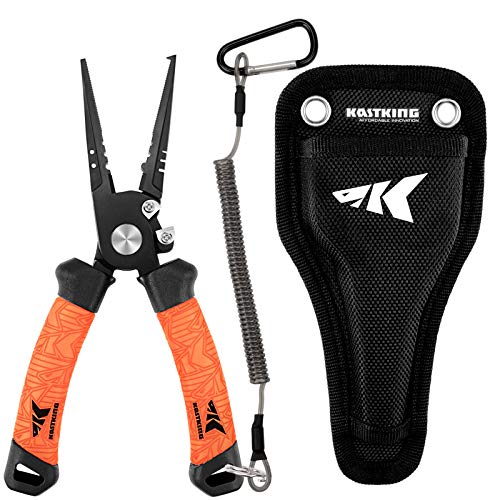
My favorite set of pliers are KastKing pliers. You don’t need to buy super expensive pliers. And in fact, these aren’t that expensive, but the reason I like these is because they have split rings on there in case you ever need to deal with replacing trebles, they have a line cutter right here, and it’s very versatile. It’s got a holster that you can put it in and you can clip this on your belt and have it on you all times.
The reason why this is important, this is for two things. First, when you’re putting on your split shot, you want to use pliers to pinch on your split shot. That way it’s secured. It’s not going to slip off or fall down to your bait. You’re pretty much squared away there.
The other reason is if you hook a fish real deep, you’re going to want to use some pliers to get some leverage and make sure that you get the hook out of the fish and get that fish in the water, if you’re not keeping the fish.
Line cutters
Another accessory is if you get some standard pliers is some line cutters. You can use scissors, nail clippers, or a knife, but I like fishing line cutters. My favorite line cutters are Boomerang Snips. They are durable, small and able to cut any type of line I have. Great tool if you need something to cut line for whatever reason.

How to catch your first fish
Now to catch your first fish might take a lot of patience, but it is possible especially if you’re throwing live bait. When you cast your lure out make sure you’re giving your bait enough time. I always like to do a 5-10 second count before I reel in my bobber. When I do reel in my bobber I only reel it in a foot or two and then wait again. If you’re not getting a hit within 10 seconds there is a chance there is no fish there.
You can slow down more and wait a little longer, but I like to fish a little fast and with live bait you can get away with it. Now if you need help learning to cast your lure and want to see what a bobber being hit looks like, go check out my video linked below!
So that’s really all you need. It’s a very simple rig, bobber, weight, hook with a worm on it. If you want to catch a bigger fish, you can put a bigger hook on it, put some more worm on it, rig it a little differently and you’ll catch some bigger fish.
If you catch anything tag me on instagram so I can see what you get into!
Tips for Fishing with Kids
1. Leave your fishing rod at home
Now you’re probably thinking, why would I leave my rod at home before going fishing?
Well, the main reason is, one, you’re probably going to want to fish if you bring your rod If you eliminate that option for yourself, you’re going to focus more on on the kids And that’s kind of the whole point. Show them a good time fishing, enjoying public spaces, getting them outdoors, getting them away from screens.
The other reason why you want to leave your right at home is you’re probably not even going to have that much time to actually fish. You’re going to be spending so much time untangling line re-tying knots, re-bating hooks, and making sure someone’s not falling into the water. Depending on the number the kids you have with you, you’re probably gonna be spending more time untangling their mess than actually fishing.
Whenever I take the kids fishing, I don’t even take my rod if I have both of them with me. If I have the oldest with me, I’ll take my rod because she’s a little bit more independent and can do things on her own a lot easier than my little man can. So that’s the only time I take my fishing rod.
Speaking of tying knots. Check out these 3 easy fishing knots for beginners
2. Pick a day with good weather
This might seem obvious, but one thing to keep in mind is the wind. If it’s a cold day, like if it’s like in the sixties, fifties, and the wind is blowing you got 10 mile per hour sustained winds with like 20 mile per hour wind gusts, that’s probably not going to be a good time to take your kids out. The reason is whenever you do take a kid out fishing, know that the clock is ticking.
You have a finite amount of time that they will actually be engaged and enjoying themselves and if the weather is bad, that time shrinks dramatically. If their hands get cold, if their feet wet, if their face is cold, if they’re if it’s too hot and they’re too sweaty. There are so many things that could make them uncomfortable.
So pick a good weather day. Doesn’t really matter if it’s the best weather for fishing, if it’s good weather that you know they’ll be comfortable in, take them out on that day. And the other thing is make sure they’re dressed appropriately. If it’s hot out, make sure that they’re wearing a light comfortable clothing like a sun shirt, something like that’s essentially something they would wear to the beach.
If it’s cold out, make sure they have layers, make sure they have gloves, make sure you keep them dry. Because the last thing you want is a cold and wet kid because that’s going to end the trip right away.
3. Fish a place with easy access
The last thing you want to do is have a kid hike out a mile just to get to your secret fishing hole. You’re going to have to walk or carry those kids back out the same distance you went in. Pick a place that has easy access, good parking. A spot that you can get to very quickly on foot.
Also, pick a spot where they can actually fish. You don’t want to go to a spot that’s covered in brush with a lot of overhangs that they can get snagged in. It’s going to lead to more frustrations for you and they’re not going to enjoy themselves. If you’re not sure if the place you’re taking them has easy access is go on Google Maps, do a little research, look at the park scout beforehand, just drive up and see how can the kids fish there.
Would they be able to cast? How high is the grass? Are they going to be able to see? Is it too steep of a bank that they won’t be able to sit comfortably? Keep those things in mind as you try to find a spot to take your kids to fish. The harder it is for them to fish, the easier it is for them to just want to go home.
4. Fish where kids have other things they would like to do
It’s always good to have a park nearby that you can take them to go to the playground afterwards because eventually your time will run out and their attention will give away, and you will have to stop fishing. So it’s always good to have in your back pocket a nice spot with the playground if not at the park and near the park when their attention does fade away, when they’re done fishing, just take them over there and they can still have a good time.
You’re still spending time with them it’s not like they have an hour drive home and all they did was get to get their lines tangled up and things like that.
5. Use kids fishing rods and tackle
One of the biggest tips is have gear for them. Something easy for them to use and easy for them to handle. One of the things I like to do is use these little push button rods. They’re super easy for them to use. All they do is they hit this button and cast out their lure.
The only downsides to these are if they do break off, kids tend to keep reeling the line will go right into the reel. Bring a screwdriver or something for you to be able to unscrew the reel and open it up to get the line out.

Another piece of gear I recommend is the Shakespeare Hide-a-Hook Bobber. It’s a simple hallow bobber that hides the hook inside of the bobber preventing you or your kid from getting hooked. It’s saved my skin dozens of times. Makes it super easy so the kids don’t hook themselves. They are kind of pricey. You can buy them in two packs so you can buy them in a whole tackle box, but in my opinion, it’s worth every penny to not get hooked in the head.

6. Use live bait!
This will make sure they get some kind of action, whether that’s live worms, wax, worms, even bread.
The last time I took the kids out, we took we were fishing using some old bread that we had because the pond that we normally go to, the fish are used to eating bread. People will come, they’ll take their brand and they’ll throw bread into the water just to see the fish come up and bite it, need it.
So I would add some bait that would increase their chance of getting some action while we were out there. That’s very important because kids tend to lose interest very quickly, especially if they’re out there and they’re not catching fish. So if they’re not getting action within the first 10 minutes, your time with them on the water is starting to decline very quickly.
7. Keep it fun
Check in with them, make sure that they’re having fun and enjoying themselves. Don’t take it too seriously when you’re taking them out. Be super, super patient. They’re probably throwing rocks in the water and scaring off fish. That’s totally fine as long as they are having fun. So just be patient, keep it fun, keep it light.
8. Pack snacks!
It’s always a good thing to pack snacks and drinks. Especially on those hot days when the sun is really hitting hard. If your kids are thirsty they will let you know. Do yourself a favor and pack their favorite snacks or even bring lunch!
9. Bring a towel
You never know when they’re going to get their hands dirty and you need to wipe them off. Fish slime, goose poop, whatever it is you can at least clean them off. I have forgotten to bring a towel a few times, and every time I’ve forgotten it, I’ve regretted it.

10. Know when to call it quits
And my last tip is to know when to call it quits. Kids will let you know when they’re not having fun anymore and that’s kind of your cue to start wrapping things up. Now, there are some things you could do, maybe switch off the bait and see if that helps you get the fish stirred up. I’ve seen is that as soon as they start to lose interest, if a fish comes up and starts biting on their lure, they start seeing that bobber dance. They’ll get right back in and they’ll get hooked.
But it’s always a good idea to know when it’s time to end the trip. The longer it goes on after they’re ready to go home, the worse it’s going to be. That’s when the tantrum starts to happen. yYou start to get frustrated. So when they let you know, hey I want to leave, I’m ready to do something else. It’s time to cut it and just pack things up and go on to do the next thing.

Ramon Contreras
Ultralight multispecies angler sharing his adventures catching fish big and small, but mostly small 😅Signup for my monthly newsletter to get content and gear recommendations every month. I'll send you stuff I like, I will never spam you.


